
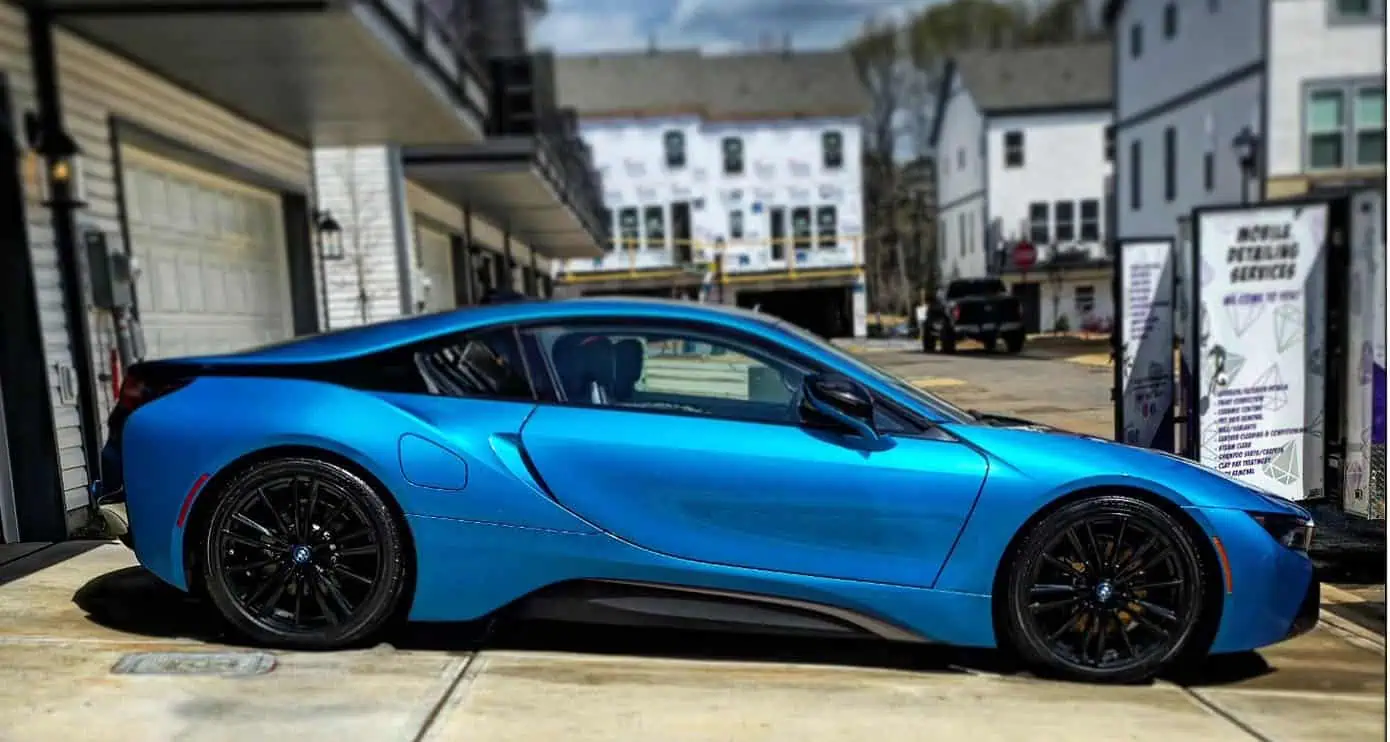
You’ve probably heard the advice a hundred times: keep up with your oil changes, rotate your tires, stay on top of maintenance.
But here’s something most car owners in Charlotte don’t think about until it’s too late — the condition of your vehicle’s paint, interior, and overall appearance can be just as influential on resale value as the mechanical stuff hiding under the hood.
When a buyer walks up to your car, they’re not reading the service records first. They’re looking at the paint. They’re sliding into the seat and taking in the smell. They’re checking the dash for scratches and the carpets for stains. That first impression happens in about thirty seconds, and it either builds confidence or chips away at your asking price.
The good news? Professional detailing is one of the highest-return investments you can make before listing a vehicle — and when done consistently throughout ownership, it can add hundreds to thousands of dollars to what a buyer is willing to pay.
Here’s how it actually works, what Charlotte area car owners are doing differently in 2026, and why Eyes on the Prize Auto Spa clients consistently sell cleaner, faster, and for more.
Buyers don’t separate how a car looks from how they feel about what it’s worth.
That’s not irrational — it’s actually pretty smart on their part. A vehicle that’s been kept clean and protected on the outside usually signals that the owner cared about what was happening on the inside too. Swirl marks, oxidized paint, stained upholstery, and a grimy engine bay tell a different story entirely.
According to insights from this guide on increasing your car’s resale value, a vehicle that is clean, well-maintained, and visually appealing can often sell for significantly more than a similar model showing cosmetic wear. Even when two vehicles are mechanically identical, factors such as exterior condition, interior cleanliness, and overall presentation can increase perceived value, potentially adding hundreds or even thousands of dollars to the final resale price.
In Charlotte’s competitive used car market, where buyers have dozens of options at their fingertips, that gap matters.
Let’s break down exactly where detailing creates real, measurable value when it’s time to sell.
Charlotte’s sun is no joke. Years of UV exposure, acid rain, bird droppings, and improper washing leave behind swirl marks, light scratches, and oxidation that dull a vehicle’s finish. To the average buyer, faded or scratched paint reads as neglect — even if the car runs perfectly.
Professional paint polishing and correction services cut through that surface damage, restoring clarity and gloss that can genuinely make a five-year-old vehicle look like it just came off the lot. That visual reset is one of the fastest ways to shift a buyer’s perception and justify a higher price.
Buyers sit inside your car. They touch the door panels. They breathe the air. A deep-cleaned interior — with conditioned leather, fresh-smelling carpets, spotless glass, and a dashboard that doesn’t look like it survived a decade of fast food runs — creates an experience that pushes people toward yes.
Odors from pets, smoke, or mildew are among the top deal-killers in private sales and trade-ins. Professional interior detailing that goes beyond surface-level cleaning extracts embedded contaminants from fabric, treats leather before it cracks, and eliminates odors at the source rather than masking them.
This one surprises a lot of people. A clean engine bay doesn’t just look good — it’s a trust signal. Buyers who pop the hood and see a greasy, grimy mess often start mentally lowballing before they’ve even driven the car.
A professionally cleaned engine bay suggests the owner paid attention to the things that aren’t immediately visible. It adds credibility to every other claim you make about the vehicle’s history. That credibility has real dollar value in negotiations.
For Charlotte area car owners who plan to sell in two to five years, ceramic coating is one of the smartest investments available right now. Applied to the paint surface, it creates a semi-permanent hydrophobic barrier that repels water, resists UV fade, blocks environmental contaminants, and dramatically reduces the surface scratching that accumulates from routine washing.
A vehicle protected with professional-grade ceramic coating simply holds its paint condition better over time. When it comes time to sell, the difference between a coated and uncoated vehicle of the same age is often visible to the naked eye — and buyers will pay for it.
Stained seats, worn fabric, and cracked leather are among the most negotiated-down items in any used vehicle transaction. Buyers either ask for a price reduction or walk away entirely. Professional upholstery restoration can address years of staining, fading, and wear on both cloth and leather surfaces, often turning what looked like a problem into a non-issue before the listing goes live.
The used vehicle landscape in the Charlotte metro has shifted noticeably in 2026. Inventory has stabilized compared to the supply shortage years, which means buyers have real options again. When buyers have choices, they get selective.
Private sellers and dealerships alike are competing for attention on platforms where the first listing photo determines whether someone even clicks to learn more. Online listings with high-quality photos of a clean, well-presented vehicle consistently generate more inquiries and faster sales than listings showing the same model in average condition.
What this means practically: if you’re selling in the Charlotte area — whether privately, through a dealer trade-in, or on a platform like CarGurus or AutoTrader — a freshly detailed vehicle photographs better, inspects better, and negotiates better. The preparation you put in before listing directly impacts the outcome.
Beyond the transaction itself, there’s also growing buyer awareness around paint protection and maintenance history. In 2026, more buyers are specifically asking whether a vehicle has been ceramic coated, what detailing history it has, and whether paint correction has been performed. This isn’t just enthusiast-level conversation anymore — it’s becoming part of mainstream used car due diligence in markets like Charlotte.
There are two ways to approach detailing as a resale strategy, and they’re not mutually exclusive.
The first is pre-sale detailing — a comprehensive cleaning and restoration done specifically to prepare a vehicle for listing. This is the “cleanup before company comes over” approach, and it’s still worth doing. A full detail before listing a vehicle that hasn’t been regularly maintained can recover a meaningful portion of resale value and speed up the sale considerably.
The second approach — and the one that delivers the best long-term return — is consistent detailing throughout the ownership period. Vehicles that receive professional attention every few months don’t accumulate the same level of paint damage, interior wear, or odor buildup that makes pre-sale correction so intensive. They also tend to show better, because the care is visible in ways that a single pre-sale detail can’t fully replicate.
Think of it the way a realtor thinks about home staging. Yes, you can do cosmetic repairs before listing — but a home that’s been maintained throughout the years of ownership starts from a completely different baseline. Vehicles work the same way.
Owners throughout the Charlotte area who build regular detailing into their vehicle ownership routine typically find themselves in a much stronger selling position when the time comes — without the scramble or the large last-minute cost.
Not every service delivers equal return, though all of them contribute. Here’s a rough hierarchy based on what buyers notice first and what moves the needle most in negotiations:
Highest impact:
– Full exterior detail with paint decontamination
– Paint correction and swirl removal
– Deep interior detailing with odor elimination
– Upholstery stain treatment and restoration
Strong supporting impact:
– Ceramic coating (strongest for long-term ownership)
– Glass restoration and treatment
– Engine bay cleaning
– Trim and plastic restoration
Finishing touches that close deals:
– Tire dressing and wheel detail
– Door jamb cleaning
– Headlight restoration (especially on vehicles over five years old)
For luxury vehicles, high-mileage vehicles, and anything in the $20,000+ range, investing in the full stack — exterior correction, interior restoration, and ceramic coating — typically pays for itself several times over in what the market will bear.
A few trends worth knowing if you own a vehicle in the Charlotte metro right now:
Ceramic coating adoption is accelerating. What was once seen as a luxury service for exotic cars has become mainstream across all vehicle segments. Charlotte owners are increasingly coating new vehicles within the first few months of purchase, recognizing that protecting the paint from day one is far less expensive than correcting it years later.
Documentation is becoming a selling tool. Smart sellers are keeping records of their detailing history — dates, services performed, provider used — and presenting this alongside their maintenance records. Buyers respond to documentation because it removes uncertainty.
Buyers are inspecting more carefully. The days of a quick visual check and a handshake are fading. More buyers are bringing paint thickness gauges, UV lights, and detailed checklists to inspections. Vehicles that are truly clean at a professional level hold up to this scrutiny. Vehicles that were just “washed and vacuumed” often don’t.
Polished paint photographs dramatically better. With most used car transactions beginning online, listing photos are doing the persuasion work that used to happen in a lot. Corrected, polished paint reflects light cleanly and consistently in photos. Swirled, oxidized paint looks flat and tired even in bright sun. This difference alone is pushing more sellers toward professional correction before listing.
The range varies depending on the vehicle’s starting condition and segment. On an average daily driver in fair cosmetic shape, a professional pre-sale detail can recover $300–$800 in perceived value. On a luxury or higher-end vehicle with visible paint and interior wear, paint correction combined with a full detail can shift the realistic asking price by $1,500 or more. Ceramic coating, applied during ownership rather than at sale time, contributes even more by preserving the vehicle’s condition over time.
Yes — sometimes more so than a lower-mileage vehicle. High-mileage vehicles are already fighting buyer skepticism on the mechanical front. If the cosmetic condition is also poor, buyers assume the worst about everything. A clean, well-presented high-mileage vehicle signals that it was maintained, not just driven into the ground. That perception shift can be the difference between a sale and a pass.
This is a debated topic, but the evidence leans toward yes for most situations. Dealership appraisers are trained to assign value quickly based on visual condition. A clean vehicle gives appraisers less to mentally deduct from the trade value. The incremental cost of a professional detail is almost always less than the deduction you’d otherwise absorb. That said, a full paint correction is typically better saved for a private sale where buyers are making emotional decisions — dealers tend to re-detail vehicles regardless.
For best results, schedule your pre-sale detail one to two weeks before you plan to list or show the vehicle. This gives time to photograph it immediately after the detail, when it looks its absolute best, while also leaving a few days to address anything else before buyer appointments begin. Avoid detailing more than three weeks before sale — Charlotte’s pollen, humidity, and road conditions will start undoing the work.
It can, particularly if the coating is documented and the vehicle is a higher-end model. Some ceramic coatings come with transferable warranties, which add genuine buyer appeal. Even without a warranty transfer, a vehicle with documented ceramic coating history tells buyers the paint has been protected — which is a tangible benefit they’d otherwise have to pay for themselves on a new purchase.
A car wash removes loose surface dirt. A professional detail removes embedded contaminants, corrects paint defects, restores interior surfaces, and treats materials to slow future wear. For everyday maintenance, a regular wash is fine. For resale preparation, a professional detail is what actually moves the needle on buyer perception and price. The two aren’t really comparable in terms of outcome.
The best time to start thinking about resale value was the day you bought the vehicle. The second best time is right now.
Whether you’re planning to sell in six months or six years, the care you put into your vehicle’s appearance today directly shapes what you’ll walk away with later. Paint that’s been protected doesn’t need the same level of correction. Interiors that have been regularly cleaned don’t develop the deep staining and odor issues that kill deals. Vehicles that look genuinely cared for sell faster, for more, and with far less negotiation friction.
At Eyes on the Prize Auto Spa, we work with Charlotte area car owners at every stage — from new vehicle paint protection to pre-sale restoration and everything in between. Our team understands what buyers are looking for in 2026, what conditions our local market throws at vehicles year-round, and which services deliver the clearest return on your investment.
If you’re ready to talk through what your vehicle needs — whether that’s a comprehensive pre-sale detail, a ceramic coating consultation, or a regular maintenance plan — we’re here to help you make the call that makes the most sense for where you are right now.
Reach out to schedule a consultation or request a quote. We serve Charlotte and surrounding communities including Concord, Waxhaw, Indian Trail, Cornelius, and beyond.